Introduction and Overview
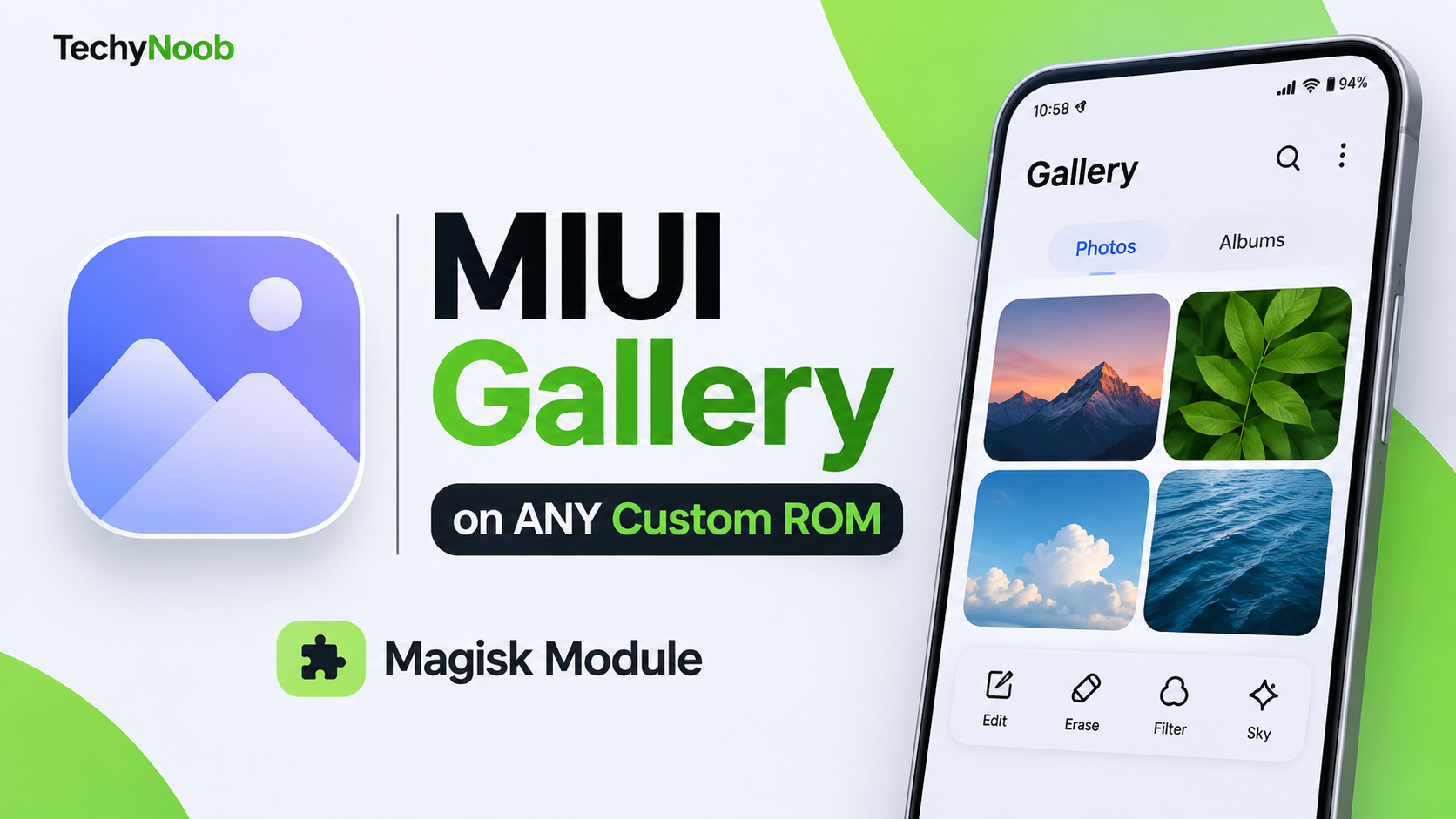
The MIUI Gallery Global Port successfully bridges the gap for AOSP custom ROM users who deeply miss the sophisticated media management and powerful editing suites found natively on Xiaomi devices.
The world of Android customization is vast and dynamic, offering users unparalleled control over their devices. Unlike locked-down operating systems, Android allows enthusiasts to dive deep into the core framework. By leveraging tools like custom ROMs, kernels, and systemless modules, users can bypass manufacturer restrictions, remove aggressive bloatware, and unlock features that were previously hidden or disabled. This level of freedom is what makes the Android ecosystem so incredibly appealing to power users who want to extract every ounce of performance and utility from their hardware.
Core Features and Architecture
Packaged as a highly complex systemless Magisk module, version 4.3.1 injects required manufacturer libraries and framework overlays directly into the system memory without permanently altering the host AOSP partition.
One of the most significant advantages of modifying an Android device is the ability to extend its lifespan. Smartphone manufacturers often drop official software support for older devices after just a few years, leaving them vulnerable to security threats and unable to run the latest applications. The aftermarket development community steps in to fill this gap, providing unofficial updates, security patches, and entirely new operating systems for legacy hardware. This not only saves users money by delaying the need for an upgrade but also helps reduce electronic waste by keeping perfectly capable smartphones out of landfills.
Video Demonstration
Installation and Setup Process
Flashing the verified zip archive via Magisk Manager takes merely seconds. Upon rebooting, the fully featured gallery application integrates flawlessly with the vanilla Android ecosystem, requiring only basic storage permissions.
When engaging in these advanced modifications, safety and proper file management are absolutely paramount. Users must always ensure they are downloading their tools, custom ROMs, and Magisk modules from verified, reputable sources to avoid malicious software. Furthermore, creating comprehensive backups of all vital personal data—including photographs, contacts, and application data—before initiating any flashing sequence is a mandatory practice. Utilizing custom recoveries like TWRP or specialized environments like AxManager allows users to apply these changes securely, providing a safety net in case a specific modification causes unexpected system instability or boot loops.
Advanced Capabilities and Modifications
This port includes the complete official MIUI Editor suite, unlocking advanced object removal, precision cropping, and the highly praised AI-driven dynamic sky replacement. It even supports Xiaomi account sign-in for seamless cloud synchronization.
The transition to systemless modifications via the Magisk framework has revolutionized how we interact with root access. In the past, achieving superuser privileges required permanently altering the device's system partition, which often broke over-the-air updates and triggered strict security checks from banking and enterprise applications. Systemless root, on the other hand, leaves the core partitions completely untouched. Instead, it injects modifications into the boot image, allowing users to pass SafetyNet and Play Integrity checks while still enjoying the immense benefits of deep system customization, ad blocking, and advanced performance tuning.
System Maintenance and Tuning
Looking towards the future, the continued development of non-root solutions like Shizuku, Wireless ADB, and independent optimization modules proves that the community is constantly innovating. Users no longer need to void their warranties or risk catastrophic device failure to achieve flagship-level performance or granular privacy controls. By utilizing these intelligent, streamlined applications, anyone can tailor their smartphone experience to perfectly match their unique daily workflow, proving that the spirit of open-source development remains the driving force behind the most exciting advancements in mobile technology today.
Final Verdict
For custom ROM enthusiasts who refuse to compromise on their mobile photography and media organization, this flawlessly executed port offers the absolute best of proprietary software within a clean, open-source environment.
Ultimately, the decision to modify a smartphone rests on the user's desire for freedom and personalization. The stock Android experience, while polished, is built for the masses and often restricts power users from truly owning their hardware. By taking the time to understand device partitions, flashing mechanics, and module architecture, users transform a standard consumer electronic device into a highly specialized tool. This continuous cycle of learning, testing, and optimizing represents the core essence of the Android community, ensuring that open-source development will thrive for many generations to come.

Discussion (0)
Post a Comment
No comments yet. Be the first to share your thoughts!