
f you have been keeping an eye on the latest smartphone releases this year, you might have noticed a subtle shift in the industry. While mobile technology continues to evolve at a breakneck pace, the actual business of making and selling phones is hitting a significant speed bump. Recent data from market intelligence firm TrendForce paints a rather concerning picture for the global smartphone market in 2026. Production is slowing down, and according to the latest figures, the situation is likely to become more challenging before it improves.
Here is a deep dive into what is currently happening behind the scenes in the smartphone manufacturing world, which brands are feeling the heat, and how this might impact your wallet the next time you decide to upgrade.
The Numbers: A Sluggish Start to the Year
The first quarter of 2026 saw global smartphone production reach approximately 284 million units. While that sounds like a massive number, it actually represents a 1.7% decline compared to the same period last year. In an industry that thrives on continuous growth and annual upgrade cycles, even a minor contraction is enough to make manufacturers nervous.
But why the sudden drop? The answer lies deep inside the hardware of the devices we use every day.
The Root Cause: The Memory Component Squeeze
The primary culprit behind this industry-wide slowdown is the rising cost of memory components, specifically RAM and NAND storage chips. Prices for these essential parts have been climbing steadily since the latter half of 2025.
You might be wondering why the 1.7% decline in Q1 wasn't much steeper given these rising costs. The truth is, the initial impact was cushioned because major smartphone brands had large stockpiles of cheaper memory components sitting in their inventories. They bought low, which allowed them to keep production steady and prices stable for the first few months of the year.
However, those low-cost reserves are rapidly drying up. As manufacturers are forced to replenish their supplies at the new, inflated market rates, their profit margins are shrinking. This creates a difficult dilemma: either absorb the higher costs and take a financial hit, or pass the cost onto the consumer by raising the retail price of new phones.

The Winners and Losers: How Brands Are Faring
The rising cost of manufacturing isn't affecting everyone equally. The market is currently experiencing a massive divide between companies that sell premium devices and those that rely on budget-friendly models.
The Premium Advantage: Samsung and Apple
Samsung and Apple are navigating this storm remarkably well. Samsung secured the top spot in Q1 2026, producing 62.6 million units—a 2.3% year-over-year increase. A large part of this success is driven by the strong launch of the Galaxy S26 series. Furthermore, Samsung has the massive financial backing of its parent conglomerate and produces many of its own components, allowing it to absorb supply chain shocks better than its competitors.
Apple followed closely in second place with 60.2 million units produced, marking an impressive 19.7% growth compared to Q1 2025. Fueled by high demand for the new iPhone 17e, Apple’s focus on high-margin, premium devices gives the company plenty of financial breathing room. Industry analysts suggest Apple will likely use this period to expand its market share, laying the groundwork for long-term revenue through its software and services ecosystem.
The Mid-Range Struggle: Xiaomi, Oppo, Vivo, and Transsion
On the other side of the spectrum, brands that focus heavily on entry-level and mid-range devices are facing intense pressure. Companies like Oppo (29.5 million units), Xiaomi (26 million units), and Vivo (22 million units) operate on much thinner profit margins. When component costs rise, these brands have very little room to absorb the expense.
Transsion, which produced around 19.8 million units, is particularly vulnerable. Their entire business model is built around budget-friendly smartphones for emerging markets. With cheap components no longer available, these companies are being forced into a corner, leading to more conservative production plans for the rest of the year.
Looking Ahead: A Rocky Road for the Rest of 2026
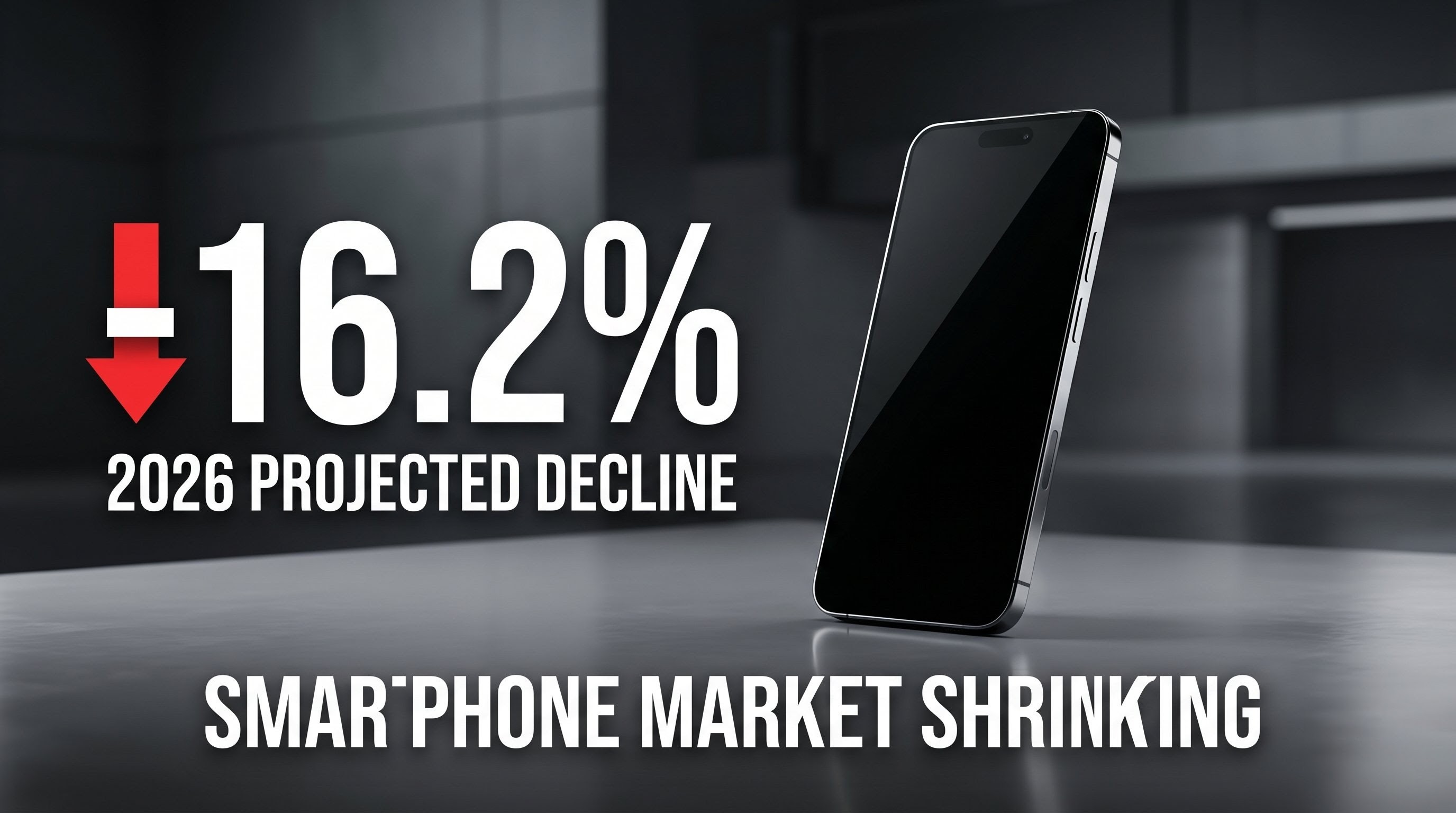
If you think the first quarter was tough, the forecast for the rest of 2026 is downright grim. TrendForce predicts that total global smartphone production for the year will drop to 1.051 billion units. That represents a staggering 16.2% decline from the previous year.
Worse yet, this is considered the optimistic scenario. If memory prices continue their upward trajectory, the annual decline could be even more severe. Manufacturers will eventually have no choice but to raise retail prices across the board to stay profitable.
What Does This Mean for You?
For the everyday consumer, the takeaway is clear: the era of aggressively priced, high-spec budget phones might be hitting pause. If you are currently in the market for a new device, especially a mid-range or budget option, it might be wise to make your purchase sooner rather than later before the increased manufacturing costs are fully passed down to the retail shelves.
On the other hand, if your current phone is still performing well, this might be the perfect year to simply hold onto it. As the industry recalibrates and navigates these supply chain hurdles, extending the lifespan of the device you already own is not just a smart financial move—it is a way to wait out the storm until the market stabilizes.
Subscribe to our YouTube channel for daily Android tips, tricks, and tutorials: TechyNoob





Discussion (0)
Post a Comment
No comments yet. Be the first to share your thoughts!